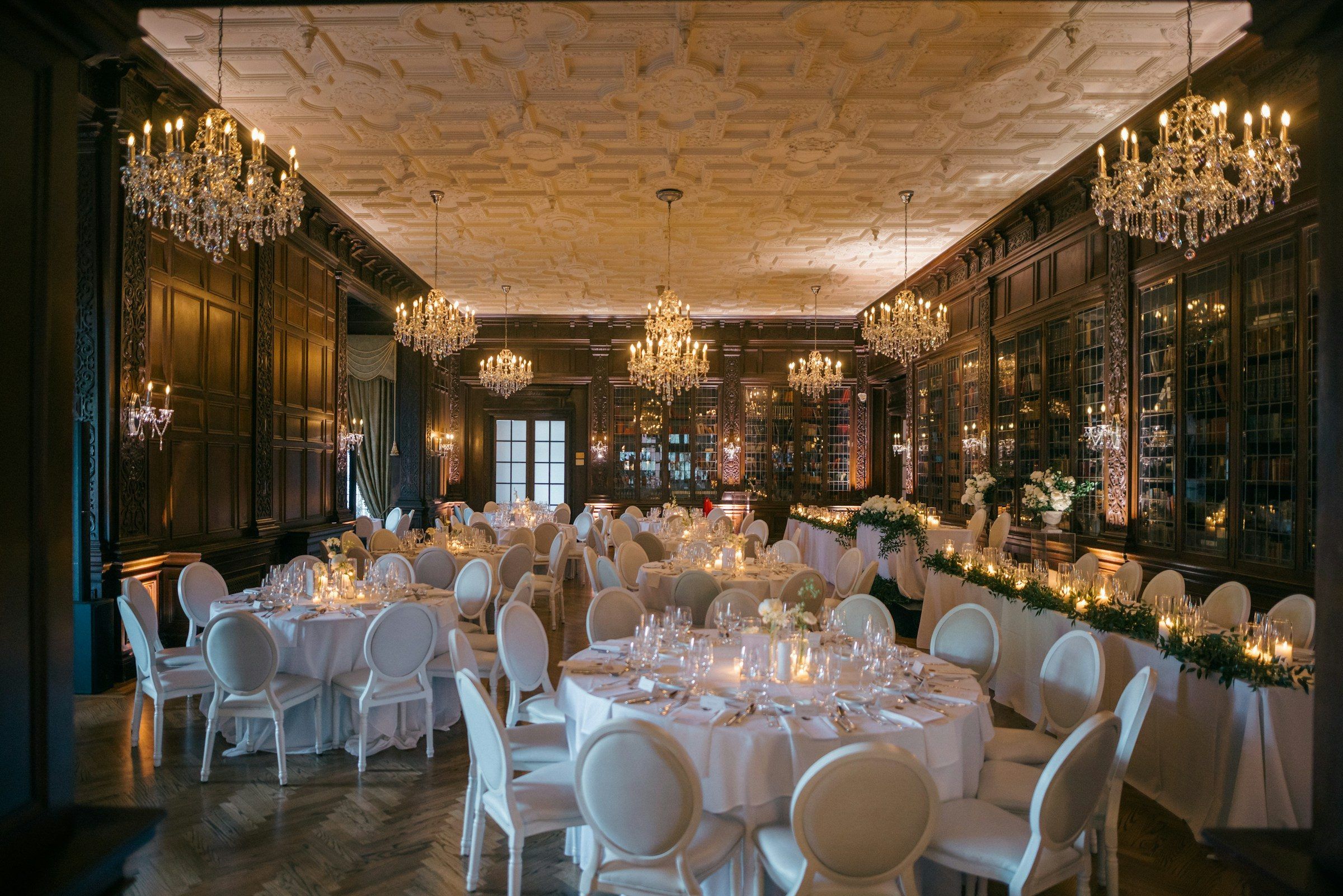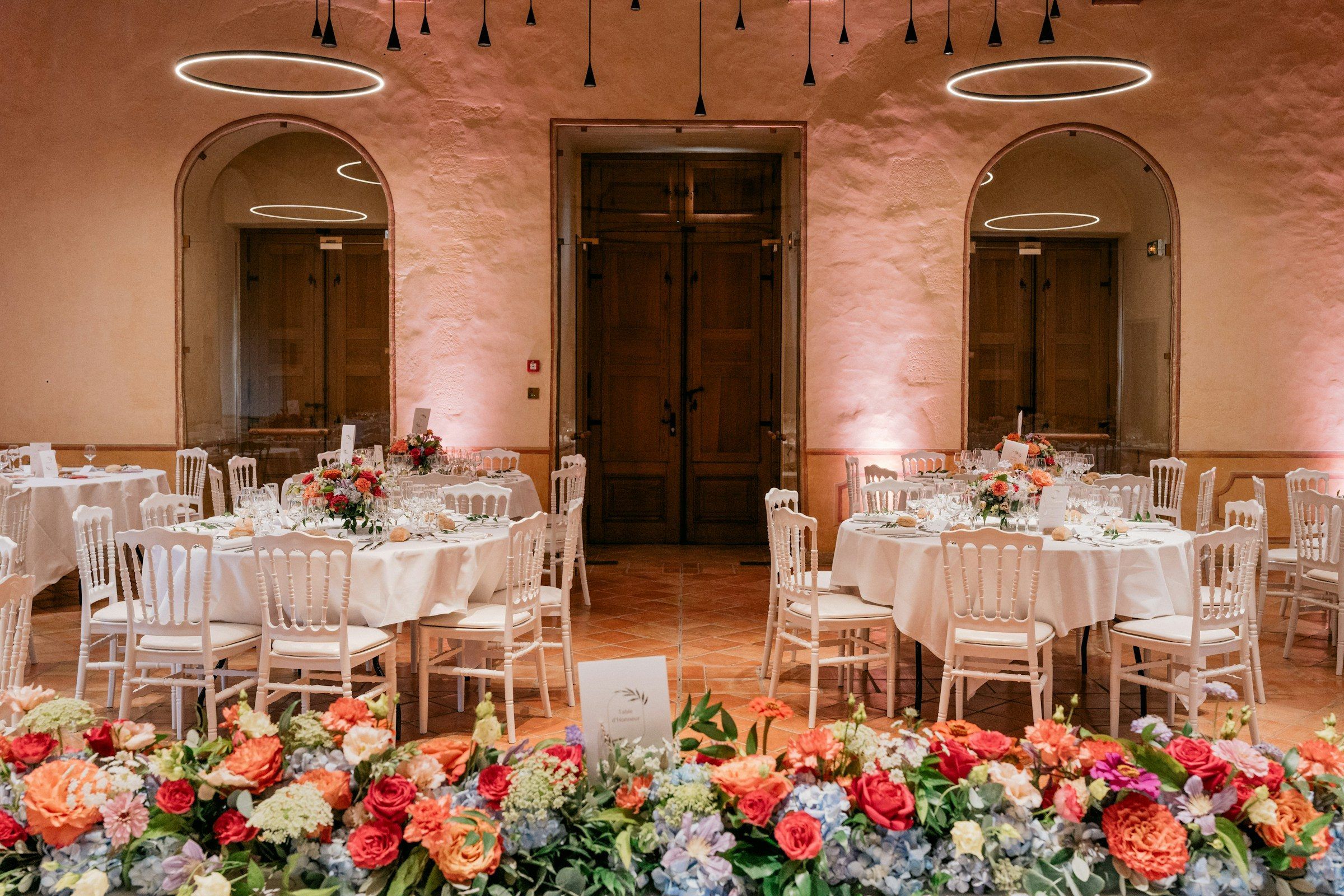
There is a reason the long table keeps returning. It asks nothing of guests except to sit, and in return it offers connection: shared sightlines, shared candlelight, the ease of passing a dish.
A well-designed long table is a piece of architecture. Its length sets the rhythm of the room; its width decides how intimate the conversation will be. Too wide and guests become spectators. Too narrow and the table loses its sense of occasion.
We think about the table in three tiers. At eye level, nothing should block a face. Below, textures and tableware reward touch. Above, light and florals create a canopy that makes the table feel like a room within the room.
Service matters as much as setting. When courses arrive in a calm, unhurried choreography, the table feels generous. When they do not, the most beautiful setting cannot rescue the evening.
The long table is not a trend. It is one of the oldest ways to say: you are welcome here, and you are among friends.